Expert Metal Fabrication Services for Durable and Precision-Engineered Solutions

Boise Metal Fabrication plays a critical role in a wide range of industries, from construction and manufacturing to automotive and custom engineering. The process involves transforming raw metal materials into functional and aesthetically precise components through cutting, bending, welding, and assembling.

Professional metal fabrication services offer expertise, advanced equipment, and technical know-how that ensure high-quality results, whether for industrial projects, commercial applications, or custom residential solutions. Utilizing skilled fabrication techniques allows property owners, engineers, and businesses to achieve durable, reliable, and precision-engineered metal products that meet their specific needs.
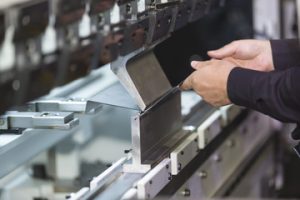
metal fabrication

One of the primary benefits of professional metal fabrication is precision. Skilled fabricators use state-of-the-art machinery such as laser cutters, CNC machines, press brakes, and welding equipment to create components with exact measurements and tolerances. Precision is especially critical in projects where components must fit together seamlessly, such as structural frameworks, industrial machinery, or architectural installations. Errors in fabrication can lead to misaligned parts, structural weaknesses, or project delays. By relying on professional metal fabrication services, businesses and individuals ensure that every piece is manufactured accurately, meeting both functional requirements and industry standards.

Material selection is another essential aspect of metal fabrication. The properties of metal—such as strength, corrosion resistance, and flexibility—vary based on the type of material used. Common materials include stainless steel, aluminum, carbon steel, copper, and brass. Each material offers distinct advantages: stainless steel provides durability and corrosion resistance; aluminum is lightweight and ideal for structural or decorative applications; carbon steel offers high strength and versatility; and copper or brass may be chosen for aesthetic or conductive purposes. Professional metal fabricators guide clients in selecting the appropriate materials based on the project’s purpose, environmental exposure, and budget considerations, ensuring longevity and performance.

Metal fabrication services encompass a wide variety of processes tailored to different applications. These processes include cutting, bending, welding, punching, stamping, and finishing. Cutting can be achieved through techniques such as laser cutting, plasma cutting, or waterjet cutting, each offering varying levels of precision and suitability for different metal types. Bending and forming allow metal to be shaped into custom angles and structures, while welding and assembly techniques join pieces into functional units. Finishing services, such as powder coating, painting, or galvanizing, protect surfaces from corrosion and enhance aesthetics. By combining these techniques, professional metal fabrication services deliver custom solutions that are both practical and visually appealing.

Two key advantages of utilizing professional metal fabrication services include:

  1. Custom Solutions: Fabricators can create components or structures tailored to specific project requirements, ensuring that each piece meets exact design specifications and functional needs.
  2. Quality and Durability: Professional fabrication techniques, coupled with high-grade materials, result in products that withstand demanding environments, heavy use, and long-term wear, minimizing the need for repairs or replacements.

Industries such as construction, automotive, manufacturing, and commercial design rely heavily on metal fabrication for the creation of essential components. In construction, fabricated metal is used for structural supports, staircases, handrails, gates, and decorative elements. In automotive and transportation, custom metal parts ensure vehicle performance, safety, and durability. Manufacturing industries depend on precise fabricated components for machinery, equipment housings, and conveyor systems. By leveraging professional fabrication services, companies in these sectors gain access to tailored solutions that enhance efficiency, safety, and overall project quality.

Metal fabrication is also a key component of architectural and custom design projects. Designers and property owners increasingly use metal to create striking visual elements, including decorative railings, gates, furniture, and outdoor structures. Professional fabricators can interpret complex design concepts, translating them into functional metalwork that complements the intended aesthetic. Advanced techniques, such as laser cutting and CNC bending, allow for intricate patterns, precise shapes, and unique designs that are difficult to achieve with manual methods. This combination of craftsmanship and technology ensures that fabricated metal components meet both design and structural requirements.

Safety and compliance are critical in metal fabrication projects. Improper fabrication can lead to structural failures, safety hazards, or noncompliance with industry regulations. Professional fabricators adhere to strict safety standards, material specifications, and quality control processes, ensuring that each product is reliable and fit for purpose. Inspections and testing protocols, such as load-bearing assessments or weld inspections, further guarantee the integrity and safety of fabricated components. By working with experienced fabricators, clients mitigate risks and ensure that the final product meets both safety and performance expectations.

Maintenance and long-term performance are additional benefits of professional metal fabrication. Fabricated metal components are designed to endure harsh conditions, but proper maintenance extends their lifespan. Protective coatings, regular inspections, and timely repairs prevent corrosion, fatigue, or surface damage. Professional fabricators often provide recommendations for maintenance schedules, cleaning methods, and protective treatments, helping clients preserve the value and functionality of their metal installations. By combining high-quality fabrication with appropriate maintenance practices, businesses and property owners can maximize the return on their investment in metal components.

Cost and efficiency are important considerations when choosing metal fabrication services. Professional fabricators provide detailed estimates, outlining material costs, labor, and project timelines. Advanced equipment and streamlined processes allow for faster production and minimized material waste, translating into cost savings and more efficient project completion. While custom fabrication may seem more expensive than off-the-shelf solutions, the durability, precision, and tailored results provided by professional services often result in greater long-term value. Additionally, fabricators help clients optimize designs to balance cost, performance, and aesthetics, ensuring efficient use of resources.

Environmental responsibility is increasingly important in metal fabrication. Modern fabricators adopt sustainable practices, such as using recycled metals, minimizing waste, and applying eco-friendly surface treatments. Water-based coatings, powder coatings, and non-toxic finishes reduce environmental impact while maintaining the durability and appearance of fabricated components. Choosing a fabricator committed to sustainable practices allows clients to achieve high-quality results while supporting environmentally responsible methods.

Collaboration and communication between clients and fabricators are essential for successful projects. Experienced metal fabrication companies engage clients throughout the design and production process, providing input on material selection, fabrication techniques, and finishing options. Clear communication ensures that designs are accurately translated into finished products and that any modifications or adjustments are implemented efficiently. Collaborative relationships foster trust, reduce errors, and result in metal components that meet both functional and aesthetic requirements.

In conclusion, professional metal fabrication services offer precision, durability, and customized solutions for a wide range of industries and applications. From cutting, bending, and welding to finishing and assembly, skilled fabricators transform raw metal into reliable, functional, and visually appealing components. Material selection, safety compliance, and maintenance guidance ensure long-term performance and value. Whether for industrial, commercial, architectural, or custom residential projects, professional metal fabrication delivers high-quality results tailored to the specific needs of each client. Investing in expert fabrication services not only enhances the structural integrity and aesthetics of projects but also provides peace of mind, knowing that every component is engineered for precision, durability, and long-lasting performance.

How Professional Landscape Contractors Improve Drainage, Design, and Long-Term Property Value

Outdoor spaces have evolved into essential extensions of modern living, blending aesthetics with functionality in ways that influence both comfort and property value. While many property owners attempt to manage landscaping on their own, professional Landscape Contractors Honolulu HI bring a level of expertise that goes far beyond planting greenery or installing decorative features. Their approach combines technical knowledge, strategic planning, and long-term thinking to improve drainage, refine outdoor design, and enhance the overall worth of a property. Investing in professional landscaping services is not simply about visual upgrades; it is about creating a balanced environment that performs efficiently year after year.

landscaping

One of the most overlooked aspects of landscaping is drainage. Water management plays a crucial role in protecting soil stability, preventing erosion, and safeguarding outdoor structures from damage. Without proper planning, excess water can collect near foundations, weaken plant roots, and create maintenance challenges that grow more severe over time. Professional landscape contractors assess the natural flow of water across a property, identifying low points, slopes, and soil conditions that may contribute to drainage problems. By understanding these factors, they design solutions that guide water naturally rather than forcing it through artificial channels that may fail in the long run.

Drainage improvements often begin beneath the surface, where soil composition and grading influence how water moves through the landscape. Contractors use specialized techniques to reshape terrain subtly, allowing rainwater to disperse evenly instead of pooling in vulnerable areas. Permeable materials, strategically placed plant beds, and carefully positioned hardscape features work together to encourage absorption while maintaining visual appeal. These adjustments may not always be immediately noticeable, but they create a strong foundation that protects the property from costly water-related issues.

Beyond drainage, professional contractors play a key role in elevating outdoor design. Landscaping is more than arranging plants; it involves crafting an environment that feels cohesive, functional, and visually balanced. Experienced professionals analyze how different elements interact with each other, considering factors such as sunlight exposure, seasonal changes, and traffic patterns. The result is a landscape that feels intentional rather than cluttered, with pathways guiding movement, plant groupings creating depth, and focal points drawing attention to key areas.

Design expertise also ensures that outdoor spaces remain practical for everyday use. Contractors often divide landscapes into purposeful zones, such as gathering areas, quiet retreats, and open spaces for recreation. This structured approach enhances usability while maintaining a natural flow throughout the property. Instead of adding features randomly, professionals integrate them into a unified plan that complements existing architecture and enhances curb appeal.

Another significant advantage of working with landscape contractors is their ability to think long-term. Many DIY landscaping projects focus on immediate results without considering how plants will grow or how materials will age. Professionals anticipate these changes, selecting durable materials and growth-appropriate plant varieties that reduce the need for constant replacements. This forward-thinking strategy minimizes maintenance challenges while preserving the integrity of the original design.

Here are some of the primary ways professional landscape contractors improve drainage and design simultaneously:

  1. Comprehensive Site Evaluation: Contractors examine soil composition, slope angles, and water flow patterns before recommending any design changes. This ensures that drainage solutions are integrated seamlessly into the overall layout rather than added as an afterthought.
  2. Balanced Use of Hardscape and Softscape: By combining structural elements with natural greenery, professionals create landscapes that manage water effectively while maintaining a visually inviting atmosphere.

Long-term property value is another major benefit associated with professional landscaping services. A well-designed and properly maintained outdoor space can significantly influence how a property is perceived. Potential buyers and visitors often form their first impressions based on the exterior environment, making landscaping a powerful tool for enhancing market appeal. Contractors understand how to create designs that not only look attractive but also add functional value, such as improved accessibility, efficient water management, and durable outdoor features.

Professional landscaping also reduces the likelihood of hidden problems that could affect property value over time. Poor drainage, unstable soil, or overcrowded plant beds can lead to structural damage that may not be immediately visible. By addressing these issues early, contractors help property owners avoid costly repairs while preserving the overall health of the landscape. Preventive planning becomes an investment that pays off through lower maintenance costs and greater peace of mind.

Sustainability has become an increasingly important consideration in landscape design, and professional contractors often incorporate eco-friendly practices into their projects. Water-efficient irrigation systems, drought-tolerant plant selections, and soil improvement techniques contribute to healthier outdoor environments with reduced resource consumption. These sustainable choices not only benefit the environment but also appeal to property owners seeking long-lasting solutions that align with modern expectations.

Maintenance planning is another area where professional contractors make a significant impact. A thoughtfully designed landscape should not require constant attention to remain functional. By selecting appropriate plant varieties and organizing planting zones strategically, professionals create outdoor spaces that are easier to maintain. This reduces ongoing labor while ensuring that the landscape continues to look polished and well cared for.

To better understand how professional landscaping contributes to long-term success, consider the following benefits that extend beyond immediate visual improvements:

  1. Improved Structural Protection: Effective drainage and soil management help protect foundations, walkways, and outdoor installations from water damage and erosion.
  2. Enhanced Lifestyle Experience: Thoughtful design creates inviting outdoor areas that encourage relaxation, social interaction, and everyday enjoyment.

Professional contractors also bring creativity and innovation to landscape projects. They stay informed about evolving design trends, new materials, and advanced installation techniques that enhance both durability and aesthetics. This knowledge allows them to recommend solutions that balance modern style with timeless appeal. Whether incorporating layered plantings, natural textures, or functional lighting, professionals understand how to create landscapes that remain relevant as design preferences evolve.

Collaboration plays a crucial role in achieving successful results. Experienced contractors listen carefully to property owners’ goals, translating ideas into practical designs that fit the environment and lifestyle needs. Clear communication ensures that each element of the landscape aligns with the broader vision, from drainage solutions to decorative features. This collaborative process transforms outdoor spaces into personalized environments that reflect both creativity and functionality.

Another often-overlooked benefit of hiring professional landscape contractors is efficiency. Landscaping projects can be complex, involving coordination between design planning, material selection, and installation timelines. Professionals streamline this process by managing each phase effectively, reducing delays, and ensuring consistent quality. Their expertise allows projects to move forward smoothly, minimizing disruption while delivering lasting results.

Seasonal adaptability is also a hallmark of professionally designed landscapes. Contractors consider how outdoor spaces will evolve throughout the year, choosing plants and materials that respond well to changing conditions. This foresight ensures that landscapes remain attractive and functional regardless of seasonal shifts. By planning for growth cycles, weather patterns, and maintenance needs, professionals create environments that feel dynamic rather than static.

Ultimately, the value of professional landscape contractors lies in their ability to combine technical expertise with creative vision. They approach landscaping as a holistic system where drainage, design, and property value are interconnected. By addressing underlying challenges and enhancing visual appeal simultaneously, they create outdoor spaces that serve as lasting investments rather than temporary upgrades.

In today’s competitive property market, outdoor environments play an increasingly important role in shaping overall impressions and long-term performance. A professionally designed landscape does more than beautify a property—it strengthens its foundation, improves functionality, and contributes to lasting value. Through careful planning, innovative design, and proactive maintenance strategies, professional landscape contractors transform ordinary outdoor areas into resilient and visually compelling spaces that continue to thrive for years to come.